
How to Set Your Speaking Fee (With Confidence)
What to charge, how to quote it, and how to handle “what’s your rate?” without flinching.
6 min read · Updated September 2026
Nothing trips up new speakers like the fee question. You want to serve churches and ministries, but you also have a family, travel costs, and hours of preparation behind every talk. A clear fee is not unspiritual — it protects both you and the organizer from awkward guesswork.
Start with your costs, not your worth
Before you pick a number, do the simple math for a typical in-person event:
- Travel: mileage, flights, or a standard trip rate.
- Lodging and meals for any overnight stay.
- Preparation: many speakers count 3–8 hours of prep per hour on stage.
- Materials: workbooks, handouts, or follow-up resources, if you provide them.
Your fee on top of costs is your honorarium. Knowing your cost floor means you can quote without hesitating — and answer the follow-up questions without guessing.
Common ranges to orient you
Every market is different, but these ballpark ranges are common for faith-based events in the U.S. Your numbers may be higher or lower, and that is fine — the point is to land somewhere intentional rather than frozen:
- Newer speakers, local events: often expenses plus a modest honorarium, or $100–$500.
- Experienced speakers, weekend services or workshops: roughly $500–$1,500.
- Well-known keynote speakers and multi-session conferences: $2,000 and up.
Whatever you choose, put it in your profile as a range or a starting rate. Organizers respect clarity far more than they respect a bargain.
Virtual events are not free events
A virtual talk removes travel but not preparation. A common approach is to charge 50–75% of your in-person fee for a live virtual session. Discounting to near zero signals the talk is worth less when the preparation is identical.
When to speak for free
There are good reasons to waive a fee: your own church, a ministry you actively support, a crisis response, or an early-career season where you are building experience and recordings. Make it a decision, not a default. “We don’t charge for X, but our rate for a weekend like yours is normally Y” keeps the value of your work intact.
How to answer the rate question
When an organizer asks, give a number or range and what it includes — then stop talking. Silence feels uncomfortable, but the organizer is usually just checking it against their budget.
- “For a Saturday morning workshop like that, our rate is $800, which includes the two sessions and a Q&A.”
- “My travel from Nashville runs about $150 on top of that; I can send an exact figure once I know the dates.”
- If the budget is genuinely smaller: offer to shorten the session, go virtual, or drop travel — rather than quietly cutting your fee.
Keep reading

How to Write a Speaker Bio That Gets You Booked
Your bio is the first thing organizers read. Here is how to make the first three sentences do the selling.
5 min read
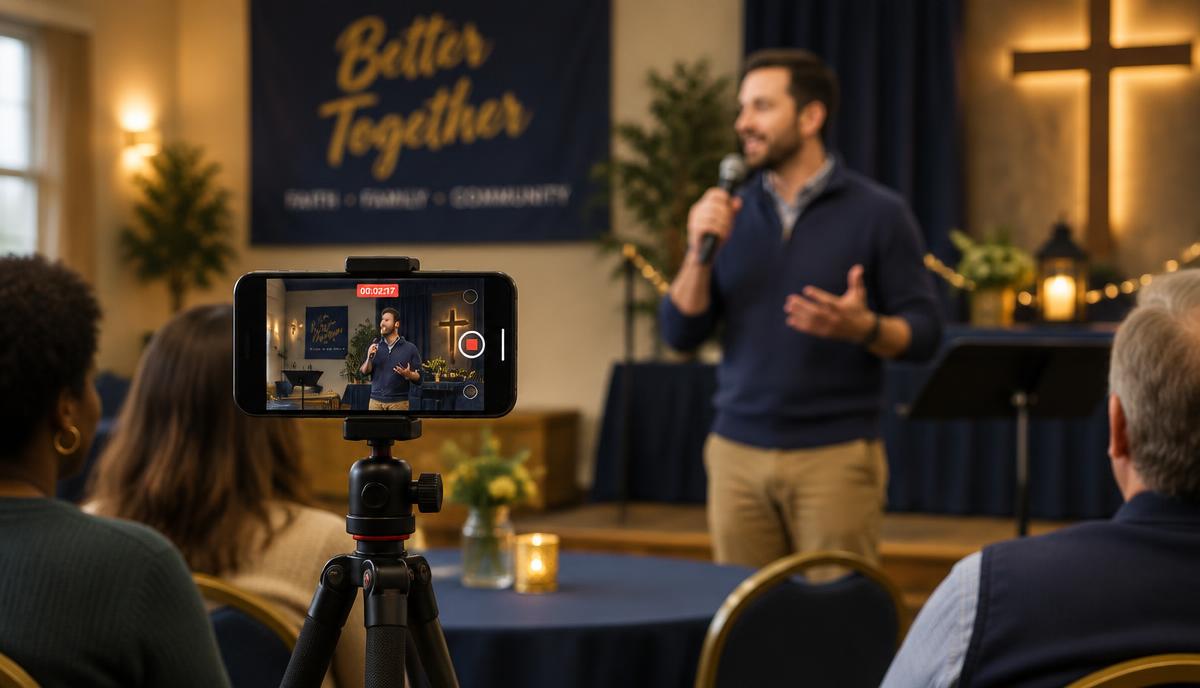
The Video Clips That Get You Booked
Organizers watch your video before they read your bio. Here’s what to record, even with just a phone.
5 min read